
Can Fibreglass Pools Be Saltwater?
You’ve chosen your dream pool, and now comes the next decision: how do you want to sanitise it? Saltwater systems are a popular option in Australia—often chosen to reduce the “chlorine smell” and the eye sting people associate with traditional chlorine dosing. So, can a fibreglass pool be saltwater? The direct answer is yes (and it’s one of the most compatible pool types for a saltwater chlorinator).
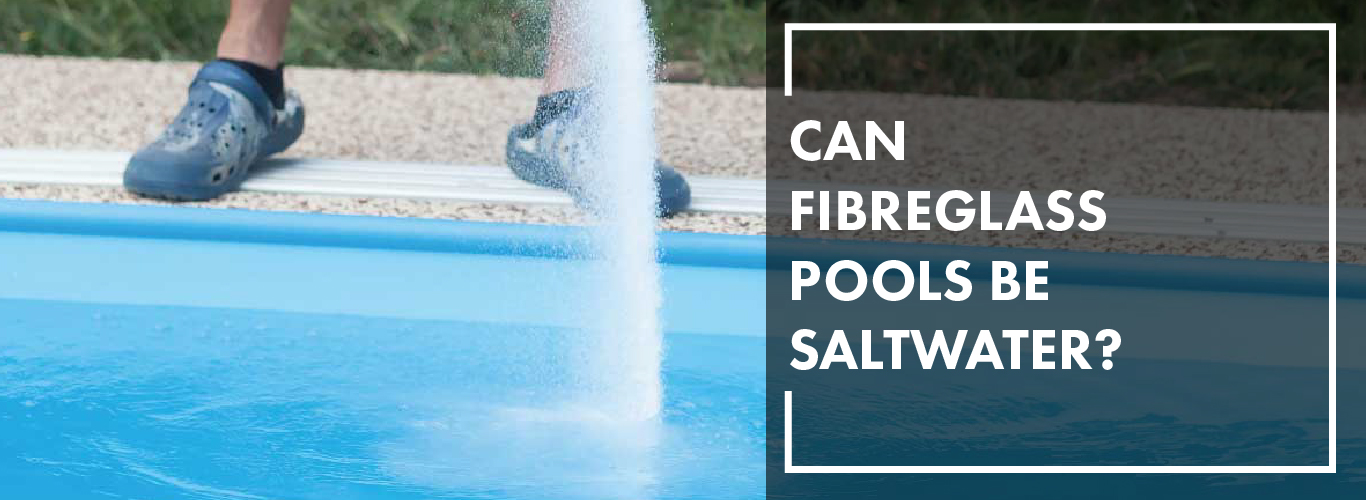
Key takeaways
- Yes—fibreglass pools are highly compatible with saltwater chlorinators because the surface is smooth and virtually non-porous.
- Saltwater pools still use chlorine; the difference is the chlorinator converts salt into a steady, lower-dose supply of chlorine.
- Salt is generally fine for the pool shell, but it can be corrosive to surrounding areas (metal fittings, some decking/edging) if residue is left to build up.
- Salt systems often feel gentler for many swimmers, but they still require regular water testing and correct balance to protect equipment and the salt cell.
What is a saltwater pool?
A saltwater pool uses a salt chlorine generator (also called a saltwater chlorinator). Instead of manually adding chlorine via tablets, liquid, or powder, you add salt to the pool water and the chlorinator converts it into chlorine. That chlorine is what sanitises the pool by killing bacteria and algae.
Saltwater pools are not “salty like the ocean”. Saltwater chlorinators typically operate around 3,000–4,000 ppm, which is roughly about one-tenth the salinity of seawater. Most people describe the taste as mild—often compared to a teardrop rather than the sea.
Is it possible for fibreglass pools to be saltwater pools?
Yes. Fibreglass pools have a high level of compatibility with saltwater systems. Because fibreglass is smooth and virtually non-porous, it typically doesn’t attract bacteria and algae in the same way more porous surfaces can. That can translate to less scrubbing and easier ongoing maintenance.
How does saltwater compare across different pool types?
Fibreglass pools
Salt has no adverse effects on a properly manufactured and installed fibreglass pool shell. The smooth, non-porous nature of fibreglass is one of the reasons saltwater systems are so commonly paired with fibreglass pools.
Concrete and vinyl-liner pools
Saltwater can be harder on some other pool types. With concrete pools, saltwater may contribute to wear on certain cement-based finishes over time (especially some plaster finishes). With vinyl-liner pools, the risk is often around metal components—salt and metal can be a bad combination if parts are exposed or compromised. If you’re comparing pool types, see: Fibreglass vs Concrete.
Pros and cons of saltwater chlorination
Advantages
- Softer feel for many swimmers: Many owners feel saltwater is gentler on skin and hair than traditional processed chlorine dosing.
- Less “chlorine smell” and less eye sting: Because chlorine is generated steadily in lower doses, many people find it more comfortable.
- Convenient sanitising: The system generates chlorine automatically when the pump runs, which can reduce day-to-day handling of chemicals.
- Salt is easier to store/handle: Compared to storing multiple concentrated chlorine products.
Disadvantages / things to watch
- Higher upfront cost: You’ll need a saltwater chlorinator (generator) installed.
- Salt residue around the pool: Splash-out and evaporation can leave salt residue that may corrode nearby metal/aluminium fittings or stain some surrounding materials if not rinsed.
- Water balance still matters: Saltwater pools still require regular testing to maintain healthy pH and reduce scaling inside the salt cell.
- Equipment compatibility: Older or unsuitable fixtures (e.g., some metals) can be more prone to corrosion if exposed to saltwater.
What about the area around the pool?
One of the biggest “gotchas” with saltwater systems isn’t the fibreglass shell—it’s everything around the pool. Decking, coping, outdoor furniture, handrails, and any fittings that are regularly splashed and then dry can develop higher salt concentrations on the surface.
Tip: Rinse down surrounding areas with fresh water periodically (especially after big swim days or windy conditions) and choose fittings/handrails that are compatible with saltwater use.
Cost and running considerations
Saltwater and chlorine pools are often closer in total running cost than many people expect. The initial setup for a saltwater system is typically higher, but ongoing chemical handling can feel simpler for many owners.
- Salt chlorine generator cost: commonly in the $600–$2,000 range depending on the system.
- Ongoing maintenance: allow roughly $50–$100 per year for servicing/maintenance items (varies by system and usage).
- Salt cell lifespan: often quoted around 3–7 years (many owners budget around ~7 years), depending on water balance and usage.
- Pump run-time: salt systems generally need the pump running daily (often around ~8 hours, sometimes more for larger pools) because chlorine is generated while the system is operating.
If you want to compare sanitising options side-by-side, this guide is handy: Water Options for Your Fibreglass Pool.
Enjoying your saltwater fibreglass pool
Saltwater systems have become increasingly popular because they can keep pool water crystal clear while feeling more comfortable for many swimmers. Like any sanitising method, the key is correct setup, regular testing, and staying on top of balance so the pool and equipment stay protected over the long term.
Need help choosing the right sanitising option?
If you’re planning a new pool and want advice on saltwater compatibility, equipment selection, or the right water option for your lifestyle, our team can help. Start with a fast free quote or visit one of our display centres.
Frequently Asked Questions
Can fibreglass pools be saltwater?
Yes. Fibreglass pools are highly compatible with saltwater chlorinators because the surface is smooth and virtually non-porous, and salt does not typically compromise the fibreglass shell.
Do saltwater pools still use chlorine?
Yes. Saltwater pools use a salt chlorine generator that converts salt into chlorine. The chlorine is what sanitises the water by killing bacteria and algae.
Will a saltwater pool taste like the ocean?
No. Saltwater pools operate at much lower salinity than seawater (often roughly around one-tenth). Most people describe it as a mild taste rather than “ocean salty”.
Is saltwater better than traditional chlorine dosing?
It depends on preference. Many swimmers find saltwater feels gentler and has less “chlorine smell”, but both systems can keep water clean when maintained properly.
Can saltwater damage anything around the pool?
It can. Splash-out and evaporation can leave salt residue on nearby surfaces, which may corrode metal/aluminium fittings or affect some surrounding materials. Rinsing down nearby areas and choosing compatible fixtures helps reduce issues.