Fibreglass Pool Installation - The Most Common Questions Answered
If you have decided to put a fibreglass pool in, you might be interested to know the logistics that are involved with installing it. As fibreglass pools are delivered to site, they are relatively easy to install. Throughout this article we answer the most common questions we get asked at Factory Pools Perth regarding fibreglass pool installation.
Key takeaways
- Fibreglass pools are factory-made shells, delivered to site and installed quickly when access, approvals and weather cooperate.
- Small backyards, limited access and sloping blocks can often be managed with the right planning, equipment and an experienced installer.
- Professional installation matters: it helps protect the pool’s structure, prevents avoidable issues, and supports warranty coverage.
- Fibreglass is non-porous and low-maintenance, supports fresh or salt water, and can be paired with pool heating for longer swimming seasons.
What is fibreglass?
Fibreglass is a type of plastic reinforced using glass fibres and resin. That combination makes it a tough, durable material used across many industries, and it’s a popular choice for swimming pool shells.
Can a pool be made from fibreglass material?
Yes. Fibreglass pools are one of the most common pool types because they’re durable, lightweight, and generally lower maintenance than many alternatives.
Is a fibreglass pool better than concrete and vinyl liner pools?
Each pool type has pros and cons. Many homeowners choose fibreglass because it’s smooth and non-abrasive, typically quicker to install, and non-porous (which can make ongoing cleaning easier). The best option comes down to your site, budget, and the look you’re going for.
| Criteria | Fibreglass Pool | Cement Pool | Vinyl Liner Pool |
|---|---|---|---|
| Installation | Very quick. Can be done in 1–2 weeks. | Slow. Can take up to 2 months to complete. | Slower than fibreglass, as it can take 3–5 weeks to be installed. |
| Cleaning & Maintenance | Doesn’t require a lot of cleaning materials since fibreglass is a non-reactive and non-staining material. | Cement is a porous and reactive material. Extensive cleaning is needed to keep the pool tidy. | Non-reactive material and doesn’t need as much maintenance as cement pools. |
| Durability | Extremely hardy thermoset plastic, that doesn’t lose shape or disfigure after it is set. | Over the years, cement may lose its structural integrity. | Can become very brittle very quickly. Care must be taken to not be too rough with vinyl liner surfaces. |
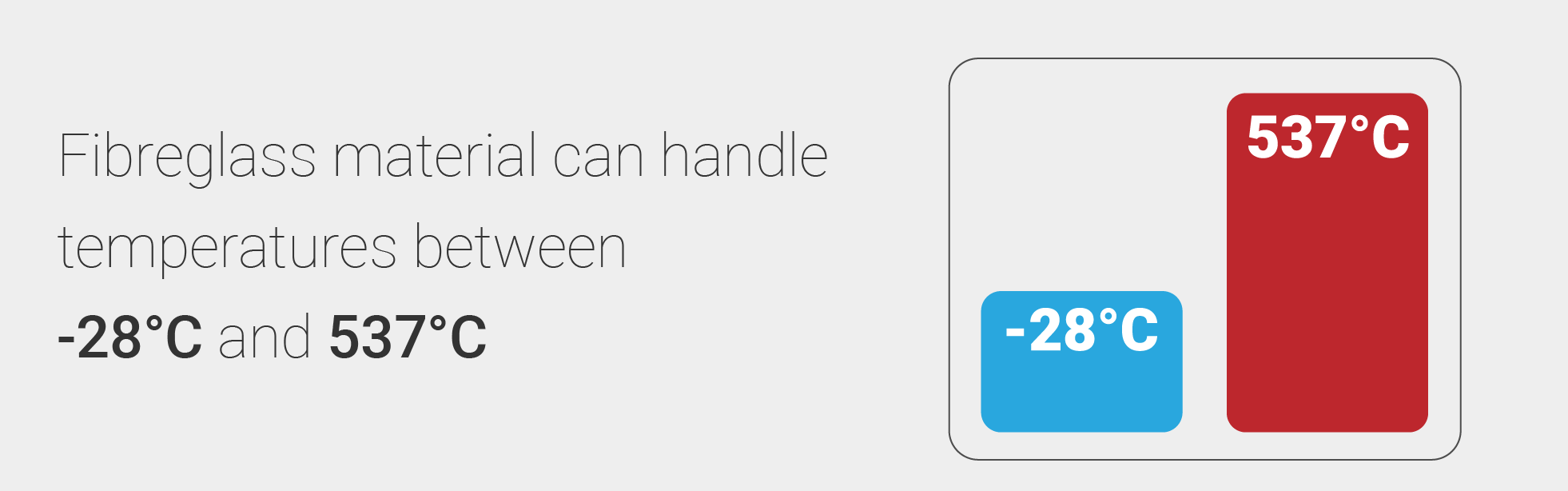
| Temperature Range | Has a huge thermal range and can handle both extreme heat and cold, without getting affected. | Cement expands and contracts with changing temperature, causing it to develop cracks. | Vinyl liners hold up poorly to heat and may develop wrinkles on the surface. |
| Lifetime Value | Very high lifetime value and low lifetime cost because of minimal maintenance needs. | Low lifetime value because of high lifetime cleaning and maintenance costs. | Not as expensive to maintain as cement pools, but not as inexpensive as fibreglass pools. |
How is a fibreglass pool manufactured?
Fibreglass pools are manufactured as a single shell using a mould. The shell is formed in controlled conditions, then transported to your property for installation.
What shapes and dimensions can fibreglass pools come in?
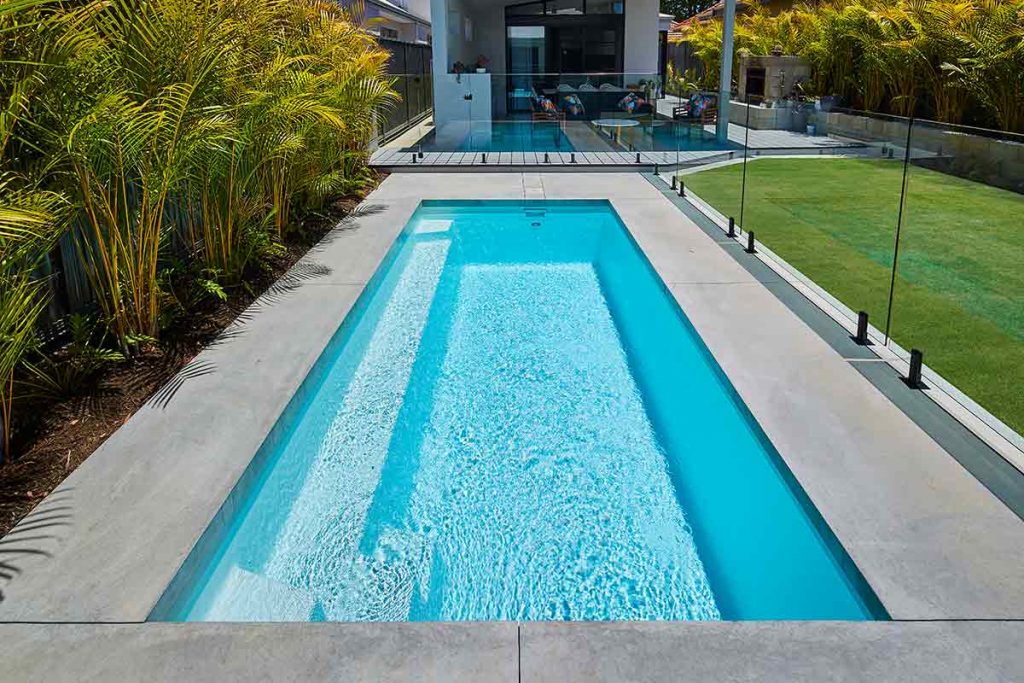
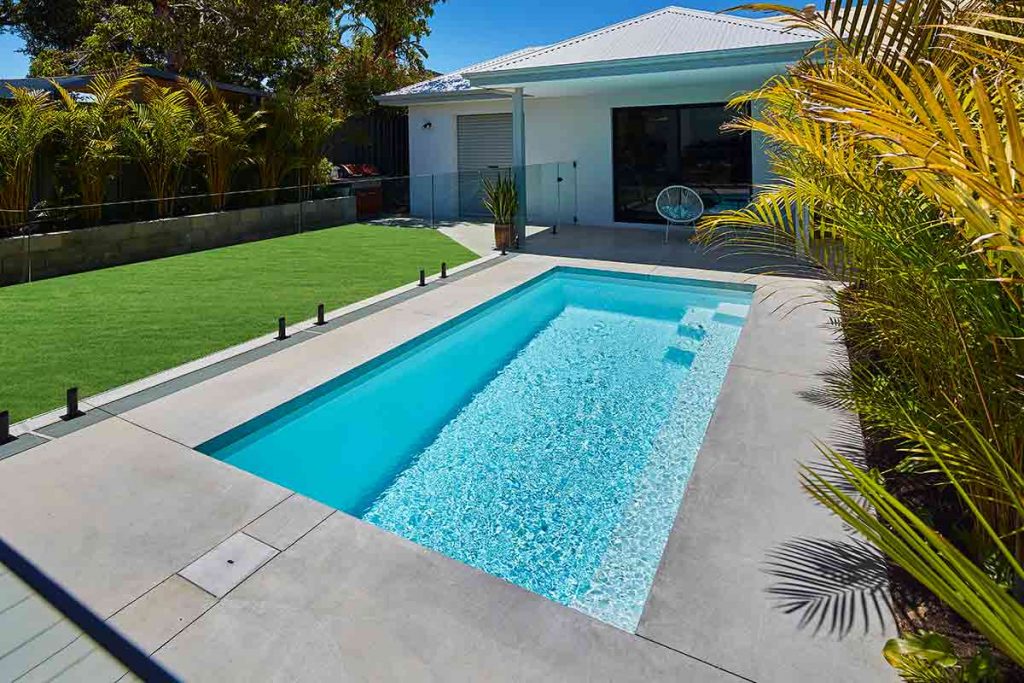
Fibreglass pools are available in a wide range of designs (including classic rectangles, ovals, and more freeform options). Your pool builder can guide you on sizes and shapes that suit your yard, access, and intended use.
How is a fibreglass pool installed?
Installation can vary depending on your pool type and yard, but the overall process typically looks like this:
Onsite quote
The first step is getting a quote. A pool builder will visit your home to assess site conditions, access to the yard, and your pool requirements.
Design phase
You’ll talk through the pool design and key decisions such as:
- Shape
- Size
- Colour
- Design features and extras
- Fencing
- Landscaping / poolscaping
Once your selections are confirmed, you’ll receive your quote and an installation date can be scheduled.
What You Need To Look For When Selecting A Reputable
Fibreglass Pool Installer
Check the installer’s:
- Professional history in fibreglass pool installation.
- Online reviews by old customers.
- Number of services offered (i.e., from excavation to accessories vs only fibreglass pool installation).
- Their fibreglass manufacturing partner.
- Installation practices and technology used.
- Cost of services.
- Repair services offered.
- Transparency during communication.
- Our experts at The Fibreglass Pool Company have over 30 years’ experience installing fibreglass pools. Reach out to us for more information.
Council permits
Your builder will typically organise the paperwork, lodge applications on your behalf, and coordinate mandatory approvals so everything is ready for installation day.
Installation day and construction steps
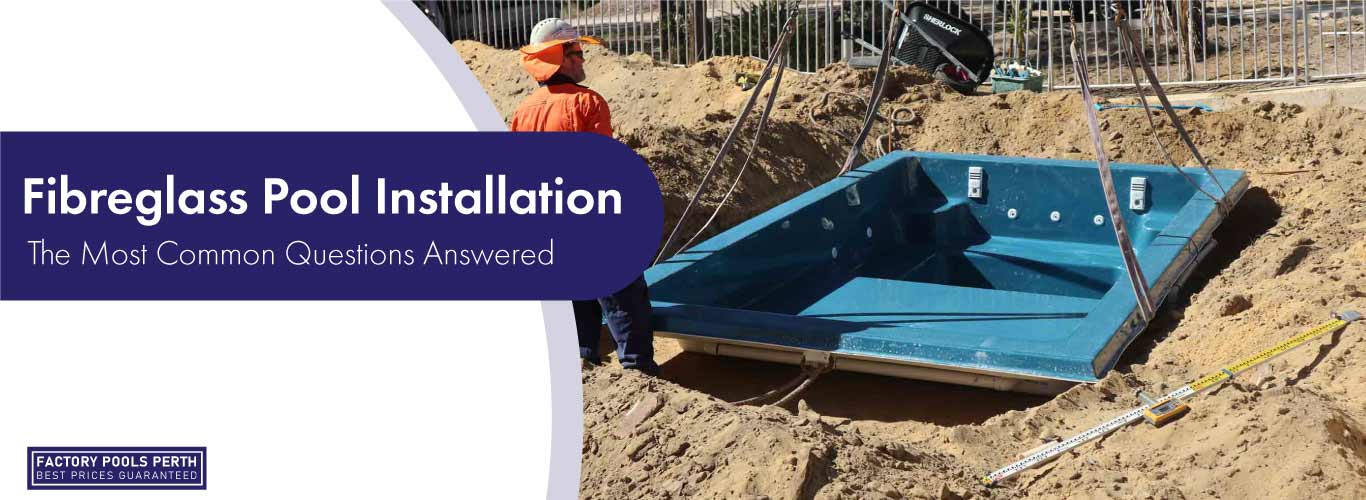
On installation day, the area is set out, excavated to the required dimensions and depth, and prepared so the pool shell can sit on a properly level base. A crane is commonly used to lift the pool shell into position (often over the house). Once the shell is level, connections are completed and the pool is progressively backfilled as it is filled with water. The surrounding ground is compacted, concrete slabs may be laid for paving/tiling, and then finishing work is completed (fencing, poolscaping and final checks) before handover.
How long does installation take?
Fibreglass pools are known for quick installation timeframes. Depending on the size of your pool and site conditions, the install can take a matter of days to around a couple of weeks overall. Unforeseen factors can affect the timeline, such as weather, council permits, access constraints, and the time of year your pool is installed.
Can I still have a pool if my backyard is small?
Yes. Backyards are getting smaller and the pool industry has responded with a strong range of compact pool options that can suit smaller spaces and courtyards. The best next step is a site visit so the builder can advise on suitable dimensions for your block.
What if I have limited access?
For an experienced pool builder, limited access is often manageable. It may require extra equipment, additional planning, and potentially more time, but it doesn’t automatically rule out a fibreglass pool.
Can my pool be installed above or partially above ground?
In short, yes. Depending on the site, a fibreglass pool can be installed fully in-ground, above-ground, or partially above-ground. Your builder can recommend the best approach after assessing your yard and levels.
What if my backyard is sloping or has very little flat ground?
Sloping blocks and challenging sites can often be accommodated with the right preparation and installation approach. A pool builder with experience across varied sites can advise what’s required to install safely and correctly.
How secure is a fibreglass pool once it is installed?
When installed professionally on a correctly prepared base, fibreglass pools are extremely secure. Shifting is rare when installation is done properly, and reputable builders back their work with warranty support.
Can I do the installation myself?
It’s not recommended. Pool installation is a major structural project and mistakes (especially around excavation, levels, and placement) can be expensive to fix and may create long-term issues. Professional installation provides peace of mind and protects you with relevant warranties.
What should I look for when selecting a reputable fibreglass pool installer?
Look for a provider with strong experience and transparent processes. Practical things to check include:
- Track record and experience installing fibreglass pools
- Customer reviews and local examples you can inspect
- Scope of service (e.g., excavation, installation, plumbing/electrical coordination, fencing support)
- Installation methods and quality controls
- Communication clarity and transparency
- Warranty coverage and what it includes
What about plumbing, electricals and accessory installation — do I need to call someone else?
In many cases, no. Many pool builders coordinate the full project so you’re not managing multiple contractors and timelines. The goal should be a stress-free build with clear accountability and quality checks at handover.
How soon can I use my pool after installation?
Once your pool is filled, connected, and the water is balanced, you may be able to use it shortly after handover. The exact timing depends on site finishing works, fencing completion, and water balancing requirements.
What type of water can I use in my fibreglass pool?
Fibreglass is non-porous, meaning it doesn’t absorb minerals in the same way some other surfaces can. Fibreglass pools can be used with fresh water or salt water systems, depending on your setup and preferences.
Can my fibreglass pool be heated?
Yes. Fibreglass pools can be paired with pool heating options so you can extend your swimming season and enjoy the pool during cooler months.
Do fibreglass pools get severe algae infestation?
Fibreglass pools are non-porous and have a smooth surface, which can make it harder for algae to cling compared to more porous surfaces. Like any pool, good water balance, filtration and regular maintenance are still essential.
How should I clean and maintain my new fibreglass pool?
Fibreglass pools are generally low maintenance. Use non-abrasive cleaning methods and products, brush/vacuum as needed, and keep filtration and water chemistry in check. Your pool builder or local pool shop can advise on the right sanitation approach and whether clarifiers or other products are appropriate.
Can I completely drain my fibreglass pool during cleaning?
Fully draining is generally not recommended unless advised by a professional. Water in the pool helps counter external ground pressure. If you need a major clean, partial draining is often the safer approach, with professional guidance based on your site conditions.
Can the fibreglass pool be moved after installation?
It’s not common. Pool placement is planned around your soil, access, and site conditions, and moving a pool later is a major undertaking. It’s best to get the location right up front during the onsite assessment.
Will the fibreglass pool stain, crack or discolour?
Fibreglass is robust and designed to handle regular use and changing conditions. Proper installation and ongoing water balance help protect the surface and finish over the long term.
Will the fibreglass pool pop out of the ground after installation?
When installed correctly, this should not occur. Correct site preparation, levels, and backfilling processes are key — which is another reason professional installation matters.
Are fibreglass pools safe for children and the elderly?
Fibreglass has a smooth, non-abrasive surface that’s comfortable underfoot and typically gentler than rougher finishes. As always, safety fencing, supervision, and compliant pool barriers are essential.
How long will my new fibreglass pool last?
Fibreglass pools are designed to last for many years. Lifespan depends on the quality of the shell, installation standards, and ongoing care. For more on longevity, see: How long do fibreglass pools last?

Will I receive a warranty with my new fibreglass pool?
Yes — warranty coverage should be discussed clearly before you proceed. Ask what’s covered for the pool shell/structure, the interior finish, and the installation workmanship, and get it confirmed in writing. If you’d like to chat through options, use our fast free quote form.
Ready to take the next step?
If you’re considering a fibreglass pool and want advice specific to your backyard (including access, levels and design suitability), start with a site assessment. Request a fast free quote and we’ll talk you through the next steps.